Meet Augusta and How We Worked Together
When I first met Augusta, I knew almost immediately that there was more to her story than what I was seeing.
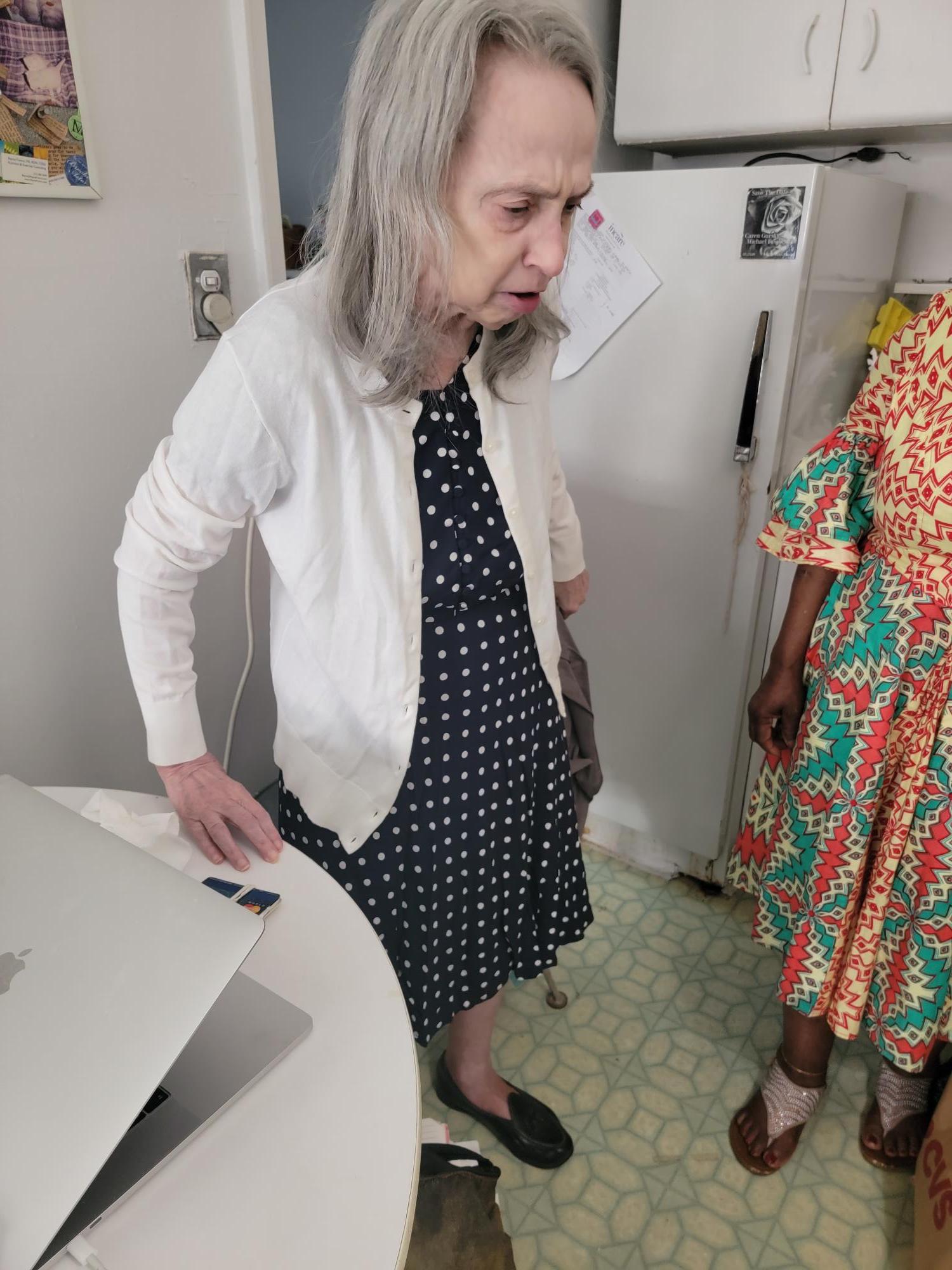
She had fallen months earlier and was back home in the Manhattan apartment where she had lived for nearly 40 years. It was a fourth-floor walk-up with no elevator. Her apartment was cluttered, she appeared to be sleeping on an old couch, and she was having difficulty managing some parts of daily life.
But I’ve learned something important from doing this work and that’s to never make assumptions based on what you see when you first walk through the door.
Augusta was an educated, accomplished woman who had built a successful career in television. She loved New York City, the arts, museums, Lincoln Center, and the park near her apartment. She had saved carefully throughout her working years and was financially secure.
She was also very clear that she wanted to remain independent and did not want her niece and brother-in-law making decisions for her.
I had been brought in as Augusta’s private patient advocate after an attorney became concerned about her situation. Her niece had been given power of attorney after Augusta was hospitalized, something Augusta had not fully understood at the time. Now the niece was pushing her to leave Manhattan and move to a nursing home in New Jersey. Augusta was having none of it, and I can still hear her saying, “I would rather be dead than move to New Jersey.” That line always gets a laugh when I tell the story, especially to New Yorkers. But what was happening to Augusta was serious.
I started doing what I do with every client. I listened, asked questions, reviewed paperwork, went to medical appointments and I spoke with her doctors. Most importantly, I made sure Augusta was included in conversations about Augusta.
That sounds obvious, but unfortunately, it isn’t always what happens.
At one of her chemotherapy appointments, I learned there was a pill Augusta could take instead of traveling for chemotherapy treatments. Augusta knew nothing about it. Her niece had been told about the option but had decided Augusta couldn’t manage the medication. No one had asked Augusta, and once she knew about the option, she was interested.
Then there was the epilepsy diagnosis. Something about it didn’t make sense to me, so I kept asking questions. When I spoke with Augusta’s neurologist, I learned she had experienced an epileptic episode, but she did not have epilepsy.
Then the neurologist asked me a question I wasn’t expecting. Was Augusta being followed for her Multiple Sclerosis?
No one had mentioned MS to me.
That led us to an MS specialist and another part of Augusta’s medical history began to make sense. Symptoms that had been misunderstood or overlooked started to come together.
This is one of the reasons patient advocacy is so important. You can have excellent doctors and excellent medical care and still have gaps. Information doesn’t always travel from one doctor to another or from a family member to the patient.
Sometimes someone needs to keep asking questions, but Augusta’s medical care was only part of the picture.
I discovered she was living primarily on one grilled cheese sandwich and a cup of coffee each day. She was alone much of the week and had become almost trapped in an apartment she loved because getting up and down four flights of stairs had become so difficult.
I started thinking about what independence really meant for Augusta. Was it staying in the same apartment simply because she had lived there for 40 years or could independence mean having a safe place nearby where she could eat well, meet people, participate in activities, and still enjoy the New York life she loved?
We found an assisted living community in her neighborhood. I showed Augusta videos of the apartment, and she said yes.
We moved her piano because it mattered to her and created a pretty space that felt like Augusta. Before long, she was eating better and thriving, but there was another problem.
I discovered that Augusta’s niece and brother-in-law had been using her money without permission. Later, Augusta’s assisted living bills went unpaid, and an anonymous complaint was made claiming she was being forced to live there against her will.
Fortunately, I document everything, and I had records showing that Augusta understood her choices and was making her own decisions. Her doctors confirmed that she was lucid and competent. A longtime friend came forward to support her and eventually took over as power of attorney.
At that point, my job was done.
Augusta had her independence. Her money was protected, and she had people around her whom she trusted. Most importantly, she was living the life she chose.
That is what patient advocacy means to me.
I’m not there to take over someone’s life or tell them what they should do. I’m there to listen, ask questions, find information, connect the dots, and make sure my client has a voice in the decisions that affect their life.
Takeaways From Augusta’s Story
• Listen to the person in front of you. Family members, doctors and others may have opinions, but the client’s voice matters.
• When something doesn’t make sense, keep asking questions. One question can uncover information that changes everything.
• Look at the whole person. Health care, finances, housing, nutrition, relationships, and quality of life are all connected.
• Don’t assume independence means staying put. Sometimes changing where or how you live gives you more independence.
• Document everything. When decisions are questioned later, good documentation can be critical.
• Build a team. Doctors, attorneys, aides, organizers, friends, and advocates each bring something different to the table.
• Give people information, not orders. My job is to help clients understand their choices so they can make decisions for themselves.When I first met Augusta, I knew almost immediately that there was more to her story than what I was seeing.
She had fallen months earlier and was back home in the Manhattan apartment where she had lived for nearly 40 years. It was a fourth-floor walk-up with no elevator. Her apartment was cluttered, she appeared to be sleeping on an old couch, and she was having difficulty managing some parts of daily life.
But I’ve learned something important from doing this work and that’s to never make assumptions based on what you see when you first walk through the door.
Augusta was an educated, accomplished woman who had built a successful career in television. She loved New York City, the arts, museums, Lincoln Center, and the park near her apartment. She had saved carefully throughout her working years and was financially secure.
She was also very clear that she wanted to remain independent and did not want her niece and brother-in-law making decisions for her.
I had been brought in as Augusta’s private patient advocate after an attorney became concerned about her situation. Her niece had been given power of attorney after Augusta was hospitalized, something Augusta had not fully understood at the time. Now the niece was pushing her to leave Manhattan and move to a nursing home in New Jersey. Augusta was having none of it, and I can still hear her saying, “I would rather be dead than move to New Jersey.” That line always gets a laugh when I tell the story, especially to New Yorkers. But what was happening to Augusta was serious.
I started doing what I do with every client. I listened, asked questions, reviewed paperwork, went to medical appointments and I spoke with her doctors. Most importantly, I made sure Augusta was included in conversations about Augusta.
That sounds obvious, but unfortunately, it isn’t always what happens.
At one of her chemotherapy appointments, I learned there was a pill Augusta could take instead of traveling for chemotherapy treatments. Augusta knew nothing about it. Her niece had been told about the option but had decided Augusta couldn’t manage the medication. No one had asked Augusta, and once she knew about the option, she was interested.
Then there was the epilepsy diagnosis. Something about it didn’t make sense to me, so I kept asking questions. When I spoke with Augusta’s neurologist, I learned she had experienced an epileptic episode, but she did not have epilepsy.
Then the neurologist asked me a question I wasn’t expecting. Was Augusta being followed for her Multiple Sclerosis?
No one had mentioned MS to me.
That led us to an MS specialist and another part of Augusta’s medical history began to make sense. Symptoms that had been misunderstood or overlooked started to come together.
This is one of the reasons patient advocacy is so important. You can have excellent doctors and excellent medical care and still have gaps. Information doesn’t always travel from one doctor to another or from a family member to the patient.
Sometimes someone needs to keep asking questions, but Augusta’s medical care was only part of the picture.
I discovered she was living primarily on one grilled cheese sandwich and a cup of coffee each day. She was alone much of the week and had become almost trapped in an apartment she loved because getting up and down four flights of stairs had become so difficult.
I started thinking about what independence really meant for Augusta. Was it staying in the same apartment simply because she had lived there for 40 years or could independence mean having a safe place nearby where she could eat well, meet people, participate in activities, and still enjoy the New York life she loved?
We found an assisted living community in her neighborhood. I showed Augusta videos of the apartment, and she said yes.
We moved her piano because it mattered to her and created a pretty space that felt like Augusta. Before long, she was eating better and thriving, but there was another problem.
I discovered that Augusta’s niece and brother-in-law had been using her money without permission. Later, Augusta’s assisted living bills went unpaid, and an anonymous complaint was made claiming she was being forced to live there against her will.
Fortunately, I document everything, and I had records showing that Augusta understood her choices and was making her own decisions. Her doctors confirmed that she was lucid and competent. A longtime friend came forward to support her and eventually took over as power of attorney.
At that point, my job was done.
Augusta had her independence. Her money was protected, and she had people around her whom she trusted. Most importantly, she was living the life she chose.
That is what patient advocacy means to me.
I’m not there to take over someone’s life or tell them what they should do. I’m there to listen, ask questions, find information, connect the dots, and make sure my client has a voice in the decisions that affect their life.
Takeaways From Augusta’s Story
• Listen to the person in front of you. Family members, doctors and others may have opinions, but the client’s voice matters.
• When something doesn’t make sense, keep asking questions. One question can uncover information that changes everything.
• Look at the whole person. Health care, finances, housing, nutrition, relationships, and quality of life are all connected.
• Don’t assume independence means staying put. Sometimes changing where or how you live gives you more independence.
• Document everything. When decisions are questioned later, good documentation can be critical.
• Build a team. Doctors, attorneys, aides, organizers, friends, and advocates each bring something different to the table.
• Give people information, not orders. My job is to help clients understand their choices so they can make decisions for themselves.
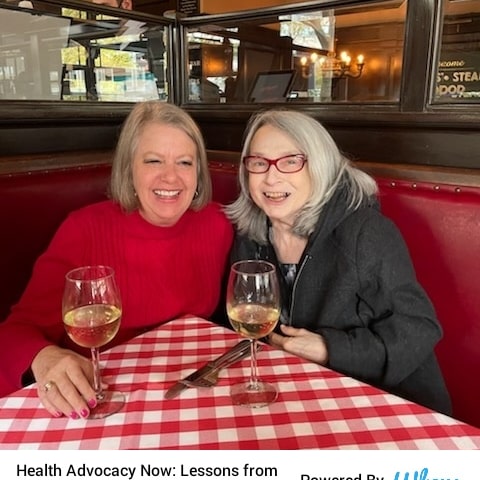
Augusta before and after (with me having a glass of wine!)
AGINGICON.COM

Have you lived a life of accomplishment, doing what fulfills
you? Have you reached an age where things are harder to do?
Are you a leader and you know that you cannot do it alone?
Then, you are an Aging Icon.
My name is Caryn Isaacs.
Having been at the helm of developing hundreds of healthcare
businesses and running several multi-million-dollar companies,
my journey includes pioneering a physician-owned HMO and
active engagement in Healthcare Reform.
As a Patient Advocate, my company, GetHealthHelp, LLC,
specializes in crafting solutions that enable Aging Icons to
continue pursuing their passions.
An example is a 98-year-old author, playwriter and poet who is
suffering from fibromyalgia and thought that all her work
would be forgotten. I found a way for her legacy to continue by
publishing them as books and now working on having them
made into films.
If this sounds like something of interest, let’s meet to talk
further.
-
Archives
- September 2026 (1)
- August 2026 (1)
- July 2026 (2)
- June 2026 (2)
- May 2026 (2)
- April 2026 (2)
- March 2026 (2)
- February 2026 (2)
- January 2026 (2)
- December 2025 (2)
- November 2025 (1)
- October 2025 (1)
-
Categories
-
RSS
Entries RSS
Comments RSS
 AGING ICON
You must be logged in to post a comment.